Balancing Culture and Schooling in Surrey
Explore how South Asian families in Surrey balance cultural expectations with the BC educational system.
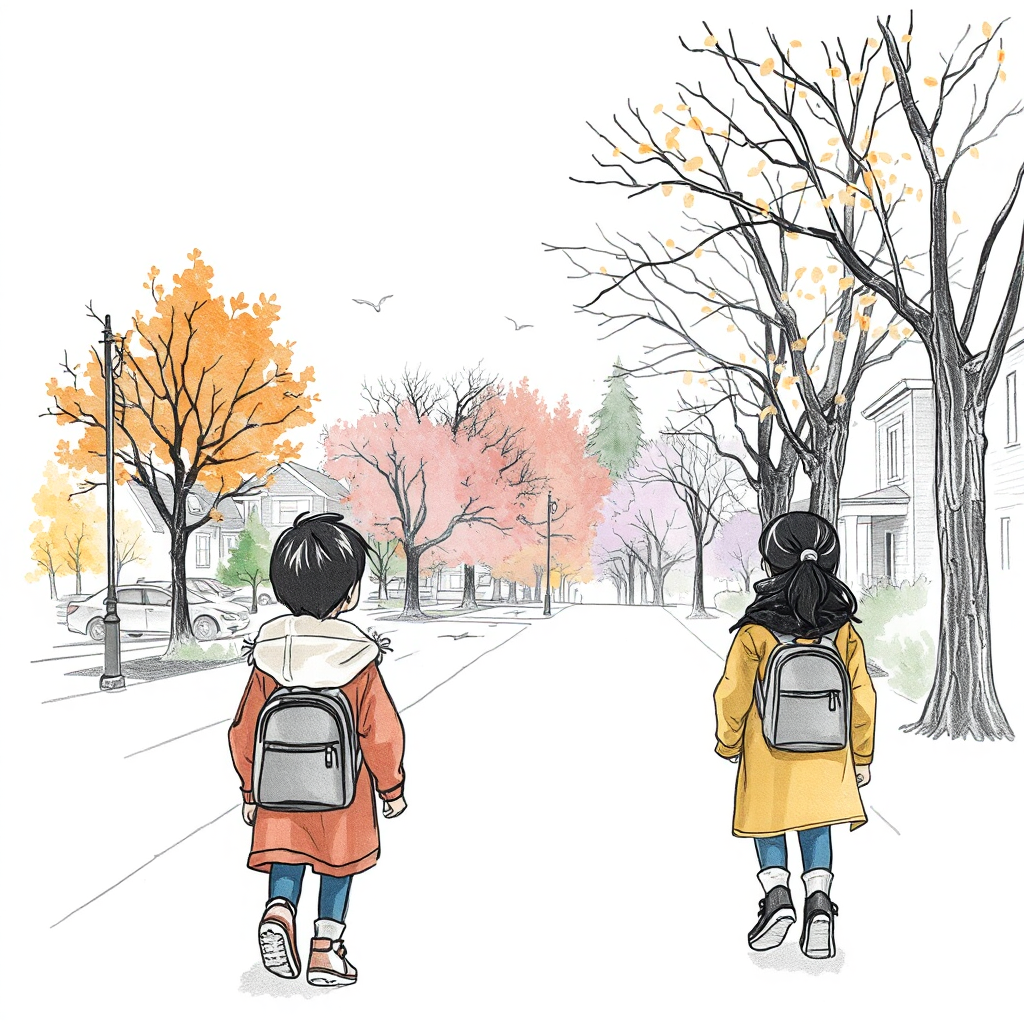
It was a rainy Tuesday afternoon as Priya's mother, Anaya, waited outside Strawberry Hill Elementary. Priya hustled toward her, her backpack bouncing with each step. The rain was typical for June in Surrey, but Anaya's thoughts were elsewhere. Am I doing enough to keep Priya connected to our roots while she excels in school? The question lingered as they navigated the wet sidewalks, heading home to what promised to be a busy evening.
For many South Asian families in Surrey, balancing cultural expectations with the demands of BC schooling can feel like walking on a tightrope. This delicate balance often comes to a head as the school year draws to a close, with report cards and summer plans looming large. Parents like Anaya find themselves caught between the desire to maintain cultural traditions and the need to ensure academic success.
At the heart of this balancing act are the educational values many South Asian families hold dear. Education is often viewed not just as a means to personal success but as a reflection of familial pride and stability. This cultural perspective often leads to high expectations placed on children, urging them to excel in their studies. Anaya often thinks about how to impart these values without adding unnecessary pressure. There has to be a way to keep Priya grounded and happy, she muses, watching her daughter tackle her Kumon worksheets.
The Kumon Strawberry Hill centre provides a structured environment that complements this cultural emphasis on education. By focusing on foundational skill mastery and independent learning, the program aligns with many South Asian parents' educational values. Anaya appreciates how this approach allows Priya to advance her math and reading skills at her own pace, without the pressure of matching the school curriculum.
Sports, too, play a significant role in this balancing act. Priya spends her weekends at soccer practice, where discipline and teamwork are emphasized. Anaya sees the parallels between Priya's dedication on the field and her perseverance with Kumon worksheets. This discipline, fostered through sports, seamlessly transfers to her educational pursuits, instilling a routine that serves her well both on the field and at the study table.
Like many Surrey families, Anaya's household communicates in multiple languages. Punjabi is spoken at home, while English dominates Priya's school environment. This linguistic split can be challenging, especially when it comes to supporting Priya's education. Anaya often uses Punjabi terms like padhai for homework, subtly reinforcing their cultural roots while encouraging Priya's academic work.
In this multicultural tapestry, grandparents often play a vital role. Anaya's mother, Priya's Nani, is a steady presence in the home. Every evening, Nani encourages Priya to spend at least 20 minutes reading, a nod to both cultural and academic values. This small but consistent routine helps Priya maintain a connection to their cultural heritage while enhancing her reading skills.
As Anaya commutes across the Alex Fraser Bridge each evening, she reflects on the short span of time left for family and education after a long day. The Kumon routine, though brief, reclaims these precious moments. By encouraging Priya's independence and self-discipline, Anaya finds a way to bridge the gap between cultural expectations and academic demands.
As the school year winds down, Anaya feels a sense of accomplishment. Priya's progress at Kumon and her continued engagement in their cultural traditions reassure Anaya that she's on the right path. This journey, while challenging, is punctuated by small victories that remind Anaya that she's doing her best.
If you're navigating similar challenges, consider how the Kumon program can support your family's educational and cultural goals. Visit Kumon Strawberry Hill to book a free assessment and find out how we can help your child thrive.
Frequently Asked Questions
Is Kumon worth it for my Grade 3 kid?
Kumon offers foundational skill mastery and independent learning, which can greatly benefit your Grade 3 child, enhancing their confidence and academic skills.
How long does Kumon homework take each day?
Kumon assignments typically require about 20–30 minutes of focused daily practice, allowing students to steadily build their skills without feeling overwhelmed.
What Surrey schools feed into Kwantlen Park?
Elementary schools like Strawberry Hill, Newton, and Hjorth Road are among those that often transition students into Kwantlen Park Secondary.
How can I maintain cultural ties while supporting school success?
Engage in cultural activities at home, incorporate your language in daily conversations, and set routines that honor both cultural and academic goals.
Can sports help my child's education?
Yes, sports instill discipline and perseverance, qualities that transfer to educational settings, reinforcing routines such as daily Kumon practice.