Fraction Mastery: Confidence for Every Child
Discover why some kids thrive and others hesitate with fractions. Unpack local stories and strategies for Surrey and Delta families.
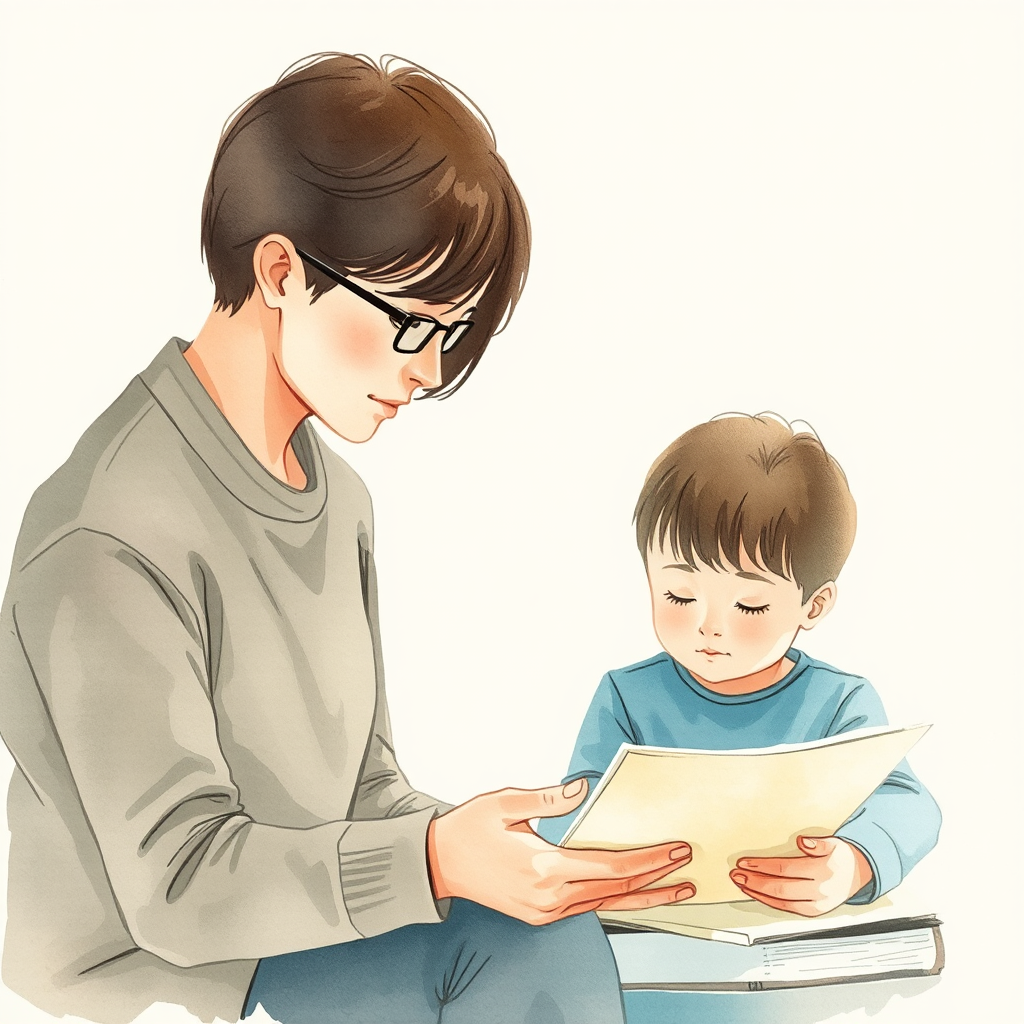
It was a typical rainy Tuesday afternoon at Strawberry Hill Elementary. Priya, a lively eight-year-old, clutched her math workbook tightly as she waited for her dad outside the school gates. Her mind was still swirling with images of the fraction bars her teacher had drawn on the board earlier that day. Why do these fractions always seem so confusing? she wondered.
As Priya's dad finally arrived, she climbed into the car, the raindrops pattering on the roof almost drowning out her quiet, "I don't like fractions, Dad. They're too hard." Her father, Mr. Singh, sighed inwardly. Why does math have to be such a struggle? he thought. He wished he could help her find the same confidence she had in soccer, where she fiercely defended as goalie each weekend.
Why do fractions seem to trip up so many kids? At Strawberry Hill, this topic often emerges as a pivotal hurdle. Yet, it is also one where some students, like Priya's friend Liam from Cougar Canyon Elementary, seem to flourish almost effortlessly.
For Liam, whose dad is a math teacher at Sands Secondary, fractions are like a fun game. "Look, Dad, 1/2 is like half-time in soccer!" he once exclaimed when they were practicing at home. The concept clicked instantly as he related it to something he knew well.
For other kids, the abstract nature of fractions can feel overwhelming. Fractions don't always have a natural visual counterpart like whole numbers. This can lead to what educators call 'fraction anxiety.' The trick is to find ways to make fractions relatable and less intimidating. At Kumon Strawberry Hill, we often see how incorporating daily, manageable practice makes a world of difference.
Building Fraction Confidence
Understanding fractions begins with solid number sense, a focus of Kumon's foundational skill mastery. When children practice breaking numbers into parts regularly, they build the mental flexibility needed to handle fractions with ease.
In Surrey, many schools like Gray Elementary and Annieville Elementary introduce fractions as part of the Grade 3 curriculum. At this stage, consistent, gentle practice can be crucial. A 15-minute daily routine at home can transform fractions from a foe into a friend, especially when combined with the structured self-paced approach of Kumon programs.
For families juggling busy schedules with sports, incorporating fractions into everyday activities can be helpful. When Priya's Biji, who lives with her family, makes rotis, she involves Priya in measuring the ingredients, turning the kitchen into a math lab. It's this kind of hands-on experience that can demystify fractions.
Applying Sports Discipline to Math
Priya's involvement in soccer isn't just about physical fitness; it also teaches her discipline and perseverance. These are the same qualities she can apply to her math practice. Just as she rehearses her moves on the field, she can methodically work through her math worksheets a little each day.
"Fractions are like dribbling," her soccer coach had said. "Each part is important for the whole game." It's this type of analogy that resonates with kids who are already committed athletes.
The connection between sports and academics is not just about discipline but also about managing time. For many Surrey parents commuting down Scott Road, fitting in study time before or after practice is essential. Kumon's structured yet flexible approach helps families make the most of their short evenings.
Bridging Language Gaps
In many Surrey and Delta households, a language other than English is spoken at home. This can sometimes affect how children interpret math concepts introduced in English. At Kumon, we encourage children and parents to discuss math in both their home language and English. For instance, when Priya's dad explains fractions, he uses both English and Punjabi terms like "padhai" to make sure Priya grasps the concept fully.
Final Thoughts: A Step Forward
Returning to Priya, after a few weeks of guided practice at Kumon, she's started to see fractions less as a mountain and more as a series of manageable steps. Her dad has noticed a change too. "She's talking about math more confidently," he shared at a recent Kumon meeting. "And it’s not just about getting the right answer anymore; it's about understanding."
For parents who are concerned about fractions or any other math fundamentals, visiting Kumon Strawberry Hill could be the first step. Our self-paced, daily practice method is designed to fit into your child's routine, offering a way to strengthen skills without overwhelming them. If you're curious about how we can help your child gain confidence in fractions and beyond, feel free to book a free assessment and see how we can make a difference.
Frequently Asked Questions
Is Kumon worth it for my Grade 3 kid?
Yes, especially if your child struggles with foundational skills like fractions. Kumon's structured approach can build confidence and long-term understanding.
How long does Kumon homework take each day?
Typically, it takes about 15–20 minutes per day. This brief daily practice helps reinforce concepts without overwhelming your child.
What Surrey schools feed into Kwantlen Park?
Schools like Strawberry Hill Elementary and Newton Elementary are part of the feeder system that leads into Kwantlen Park Secondary.