Phonics Foundations: Building Blocks for Lifelong Reading
Discover how phonics in early years sets the stage for reading success in Surrey and Delta, BC.
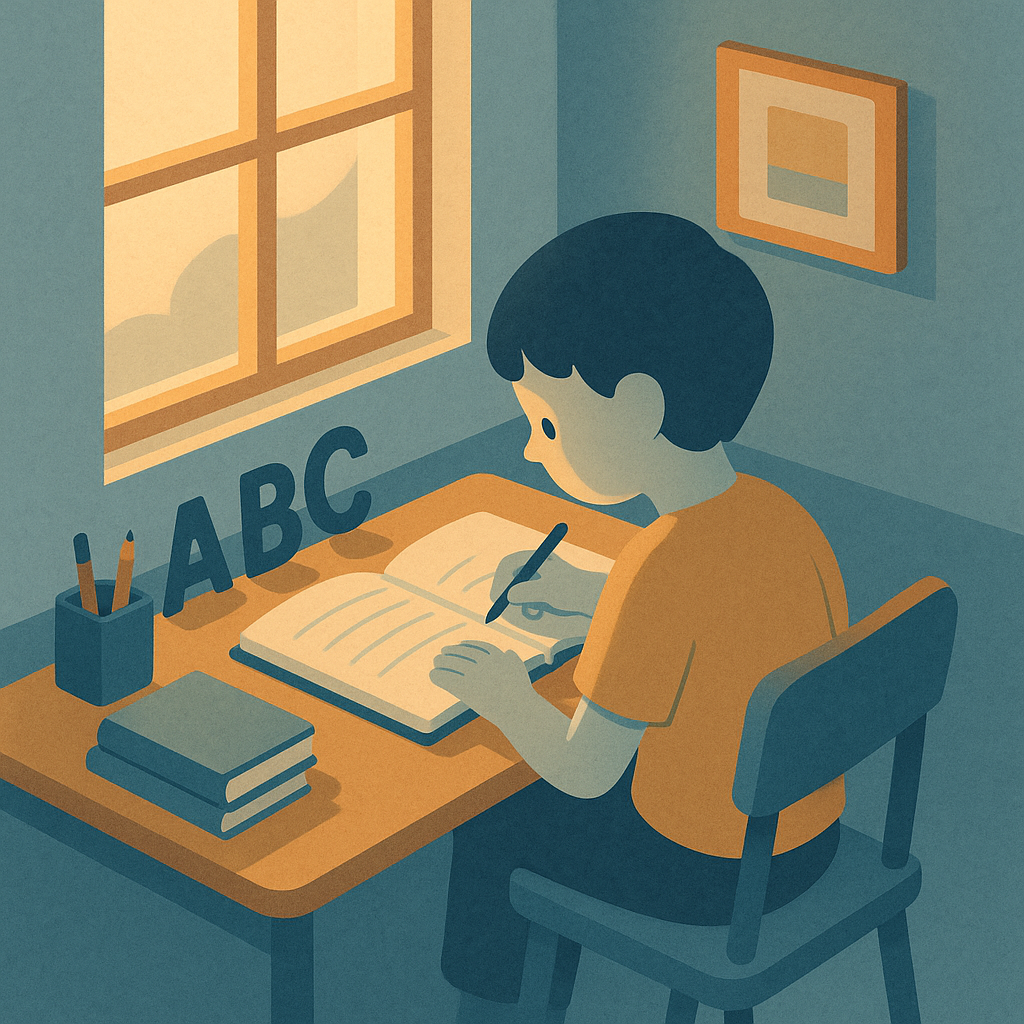
It was a rainy Thursday afternoon at Strawberry Hill Elementary. Mei, a lively Grade 1 student, clutched her colourful backpack as she waited eagerly for her mother outside the school gates. Her mother, Lila, glanced at the grey sky, her mind elsewhere. Is Mei falling behind in reading, or is this just a phase? she wondered.
Mei's teacher had mentioned that phonics was an essential building block for reading, but Lila felt overwhelmed by the different methods and acronyms thrown her way. Phonics, phonemic awareness, fluency—where do I even start? she sighed.
As Mei skipped her way to the car, Lila decided it was time to find out how phonics could truly help her daughter.
Why Phonics Matters
Phonics is more than just a buzzword; it's the framework that helps children decode words and understand language structure. For many families in Surrey and Delta, where English might not be the primary language at home, phonics can bridge the gap between spoken and written English.
At its core, phonics teaches children the relationship between letters and sounds. This knowledge allows them to recognize words quickly and accurately, building a foundation for fluent reading. When children understand phonics, they develop confidence in their ability to approach new words.
For Mei and many like her at schools such as Pinewood Elementary and Devon Gardens Elementary, mastering phonics can mean the difference between joyful reading and frustrating struggle.
A Day in the Life of Phonics Learning
For Mei, her journey through phonics began at the kitchen table, where her grandmother, or Biji, patiently helped her sound out letters and words in both English and their home language. Having a home routine is key, Lila realized, as she watched the two of them working through a Kumon worksheet.
Phonics practice at Kumon Strawberry Hill is designed to integrate seamlessly into daily routines. With only 20 minutes a day, Mei could balance her phonics practice with her love for soccer and Saturday morning games at Bear Creek Park.
For parents who commute via the Alex Fraser Bridge, the self-paced nature of Kumon worksheets offers a way to reclaim family evenings. Instead of battling over lengthy homework sessions, families can enjoy time together, knowing that their child's foundational skills are being reinforced daily.
The Sports Connection
Just as Mei's soccer practice requires discipline and routine, so too does her phonics practice. The same grit that she uses to improve her dribbling skills transfers to her reading efforts. Each sound mastered is like a goal scored, building confidence and capability one step at a time.
At Kumon, children learn that just as with sports, consistent effort leads to improvement. Whether it's through a measured pass on the soccer field or reading a new book, the skills developed are mutually reinforcing.
Building a Lifelong Love of Reading
As spring turns to summer, Lila notices a change in Mei. She’s reading signs aloud at Scottsdale Centre and picking up books at the library with newfound enthusiasm. The phonics foundation has done more than improve Mei’s reading skills—it’s ignited a passion for learning.
Phonics isn’t just about reading better; it’s about opening doors to worlds of knowledge and imagination. For parents like Lila, seeing this transformation is a reminder of the power of early education.
If you want to see how phonics can help your child, why not visit Kumon Strawberry Hill and see the difference a strong foundation can make?
Frequently Asked Questions
Is Kumon worth it for my Grade 3 kid?
Yes, Kumon helps Grade 3 students build strong reading and math foundations through self-paced learning and daily practice.
How long does Kumon homework take each day?
Typically, Kumon worksheets take about 15 to 20 minutes per subject each day.
What Surrey schools feed into Kwantlen Park?
Elementary schools like Strawberry Hill, Newton, and Woodland Park feed into Kwantlen Park Secondary.